
Why Fire Safety Signage Matters During an Emergency Evacuation?
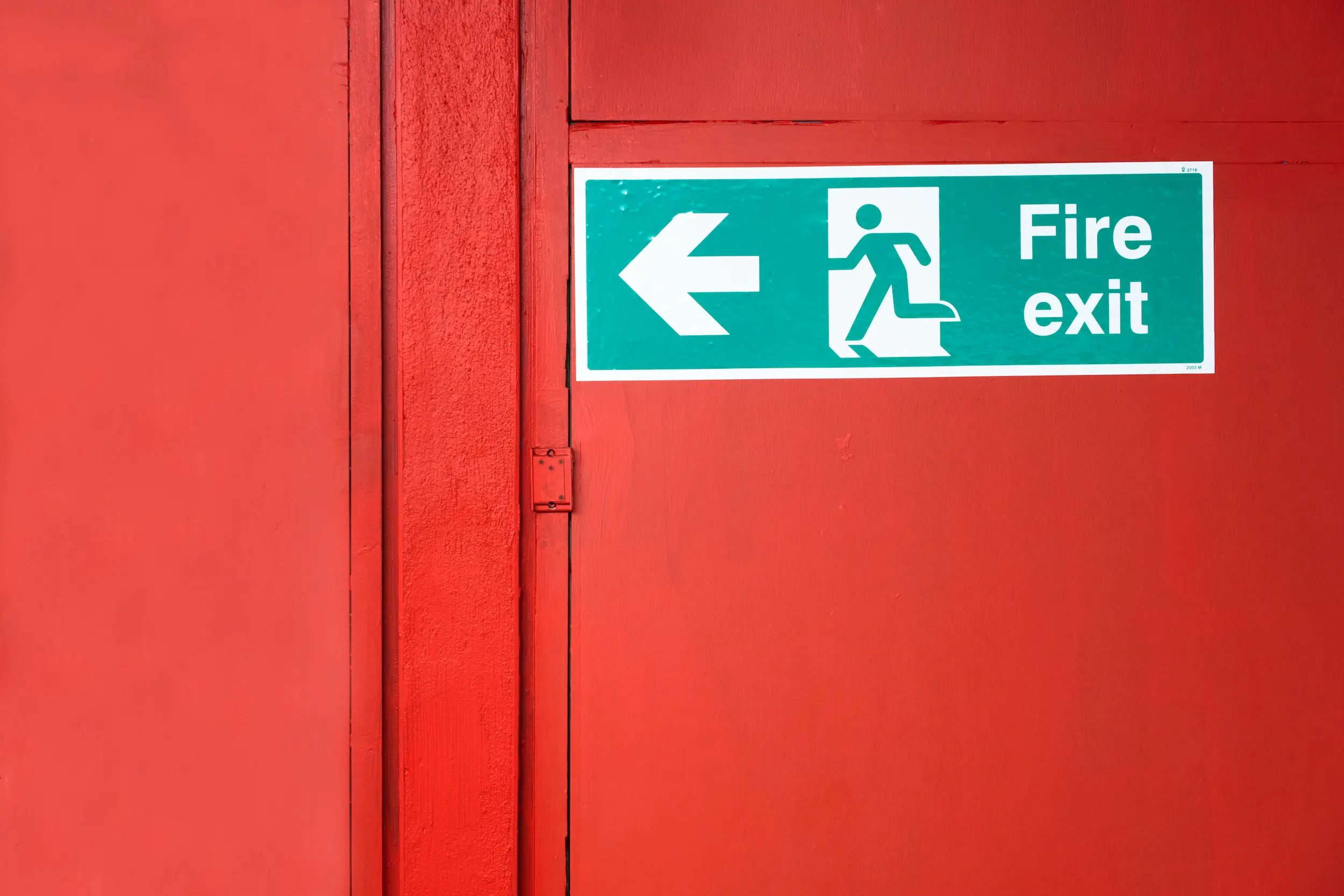
In a fire emergency, every second counts. Occupants need to understand that they must evacuate, know which direction to travel and be able to identify the appropriate escape route as quickly as possible.
A fire alarm provides the essential warning that something is wrong, but once that alarm sounds, people still need clear information to help them leave the building safely. This is where fire safety signage plays an important role.
For employees who use a building every day, the nearest exit may already be familiar. Visitors, contractors, customers or other occupants may have far less knowledge of the premises. During an emergency, clear and correctly positioned signage helps provide the visual guidance they need.
We provide fire safety signage for commercial premises, helping businesses ensure important fire safety information and escape routes are clearly communicated throughout their buildings.
Why Is Fire Safety Signage Important?
Fire safety signage is designed to communicate essential information quickly and clearly.
During normal day-to-day operations, signs can sometimes become such a familiar part of a building that occupants barely notice them. But during an emergency evacuation, their purpose becomes much more significant.
People need to be able to identify where exits are located, which direction they should travel and where important fire safety equipment can be found.
This becomes particularly important in larger or more complex commercial premises. An unfamiliar visitor may not know that an escape route continues around a corner, for example, or which exit provides the fastest and most appropriate route out of a particular area.
Clear signage provides guidance at the point it is needed, helping people navigate the building during an evacuation.
Helping People Find the Correct Escape Route
One of the key functions of fire safety signage is directing building occupants towards a safe escape route.
Fire exit signs should clearly identify the direction of travel and guide people towards the appropriate final exit. The journey needs to remain understandable throughout the route rather than relying on a single sign positioned near the exit itself.
This means considering signage at corridors, changes in direction and other points where occupants may need additional guidance.
The layout and complexity of the building will influence what is required. A relatively small commercial building may have straightforward escape routes, while a larger building with multiple floors, rooms or corridors could require more extensive signage.
The objective remains the same: people should be able to understand where they need to go without unnecessary confusion.
Supporting People Who Are Unfamiliar with the Building
Don’t assume that everyone inside your building knows the layout.
Commercial buildings can be occupied by customers, contractors, delivery drivers, temporary employees and visitors as well as permanent members of staff. In hospitality environments and other public-facing premises, a large proportion of the people inside the building may be unfamiliar with it.
When an alarm sounds, those occupants cannot necessarily rely on memory to find an exit.
Clearly positioned fire exit signs provide a consistent visual reference that can be followed regardless of how familiar someone is with the property.
This is one reason why signage forms an important part of the wider evacuation strategy rather than simply being a compliance consideration.
What Other Fire Safety Information Does Signage Provide?
Fire safety signage is not limited to showing people where to exit. Different signs can communicate different information depending on where they are positioned and what occupants need to know.
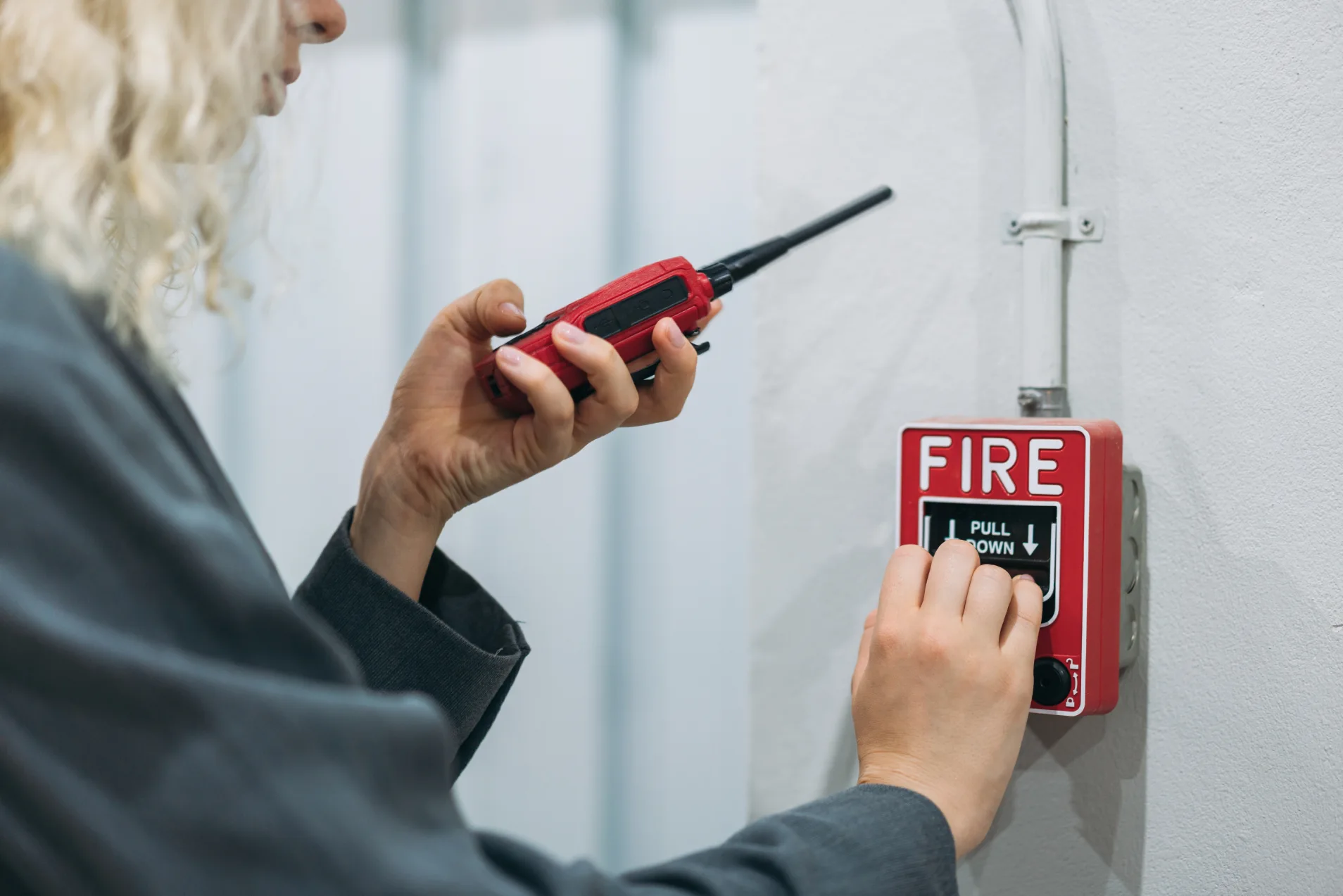
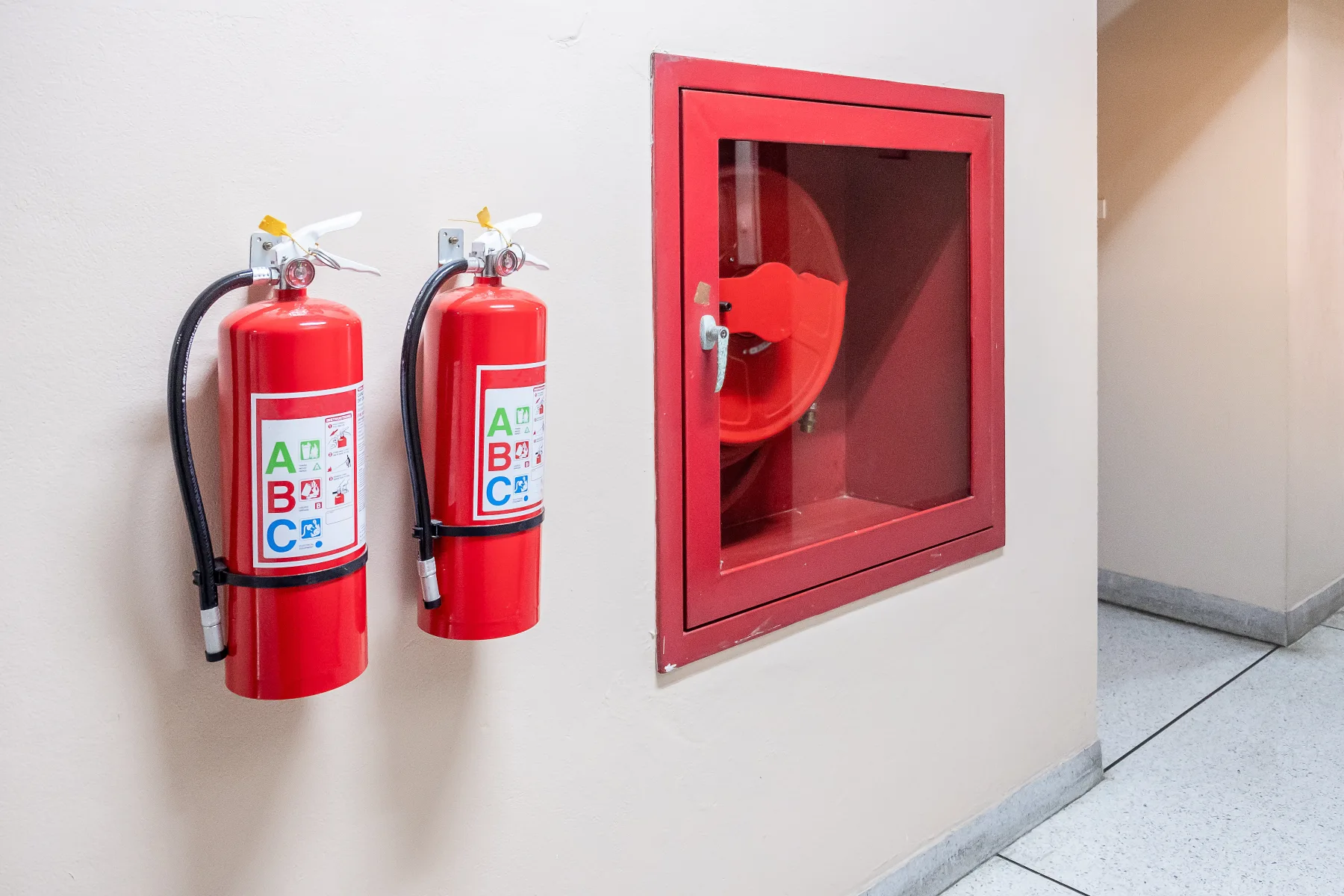
Fire Action Notices provide instructions about what people should do if a fire occurs. Fire extinguisher identification signs help identify firefighting equipment and provide information about the type of extinguisher available. Call point and alarm signage can identify where manual alarm points are located, while fire door notices communicate important information about doors that form part of the building's fire protection.
Each has a different role, but together they help make essential fire safety information easier to identify throughout the premises.
Visibility Is Essential During an Evacuation
Having the correct sign in a building is only useful if people can actually see it when they need it.
Fire safety signage should be clearly positioned and should not be obscured by furniture, equipment, decorations or other objects. Escape route signage should also provide consistent directions so occupants are not left uncertain about where to go next.
Changes such as furniture being moved, internal layouts changing or new equipment can affect this over time, too. A sign that was once clearly visible could eventually become partially obstructed or less effective because the surrounding environment has changed.
This makes reviewing signage an important part of maintaining the wider fire safety arrangements within a building.
How Signage Works Alongside Fire Alarm Systems
Signage doesn’t replace effective fire detection and warning. The different measures work together to protect your building and its occupants.
A well-designed fire alarm system helps detect a potential fire and alert the people within the premises. Once the alarm has been raised, signage provides visual information that can help occupants navigate towards an exit.
The same approach applies to other areas of fire protection. Passive fire stopping, for example, helps restrict the spread of fire, smoke and heat through fire-resistant walls and floors. Fire alarms provide warning, passive measures help maintain compartmentation and signage supports evacuation.
Rather than viewing each measure individually, considering how they work together helps create a more complete fire protection strategy.
Why Fire Safety Signage Should Be Reviewed
A building does not necessarily remain the same after its fire safety signage has been installed.
Refurbishments, extensions and changes to room layouts can alter escape routes or affect the visibility and suitability of existing signs. The way a building is used can also change. For this reason, signage should continue to reflect the building as it exists today.
A review can identify missing, damaged, outdated or poorly positioned signs and determine whether additional signage is needed following changes to the building.
This is particularly important when alterations affect an existing escape route. Occupants need consistent information throughout their journey towards safety, so any changes to that route should also prompt consideration of the signs directing people along it.
Clear Fire Safety Signage with Magni Fire
During an emergency evacuation, people need clear information that can be understood quickly.
Effective fire safety signage helps identify escape routes, exits and important fire safety equipment throughout a building. It is particularly valuable for visitors and other occupants who may have little or no knowledge of the premises.
At Magni Fire, we provide fire safety signage solutions tailored to the individual requirements of commercial properties. Our team can assess your premises, identify where signage is required and ensure important fire safety information is clearly displayed.
Alongside signage, we provide a wider range of fire protection services including fire alarm systems and passive fire stopping, helping businesses take a comprehensive approach to protecting their buildings and occupants.
If you are reviewing the fire safety signage within your premises or need advice about your requirements, contact the Magni Fire team today.
related news

Your Fire Detection and Fire Protection Specialists. Contact Us.
Customer testimonials

yearly basis, due to the outstanding service they provide us with. They provide quotes for any remedial works along with the attendance report if not on the same day, then always next, and this allows us to quote our client quickly and turnaround any remedial works within our 2-week deadline. They are available 24/7 and have never missed a call out of hours and have always attended the same night if needed. Gary, Ross and the team run a fantastic company, totally dedicated to the needs of its customers and I would not hesitate to recommend them to an individual customer looking for fire support or a company seeking a fire system’s to assist with their maintenance customers.”