
What Is a Gas Suppression System and Where Is It Used?
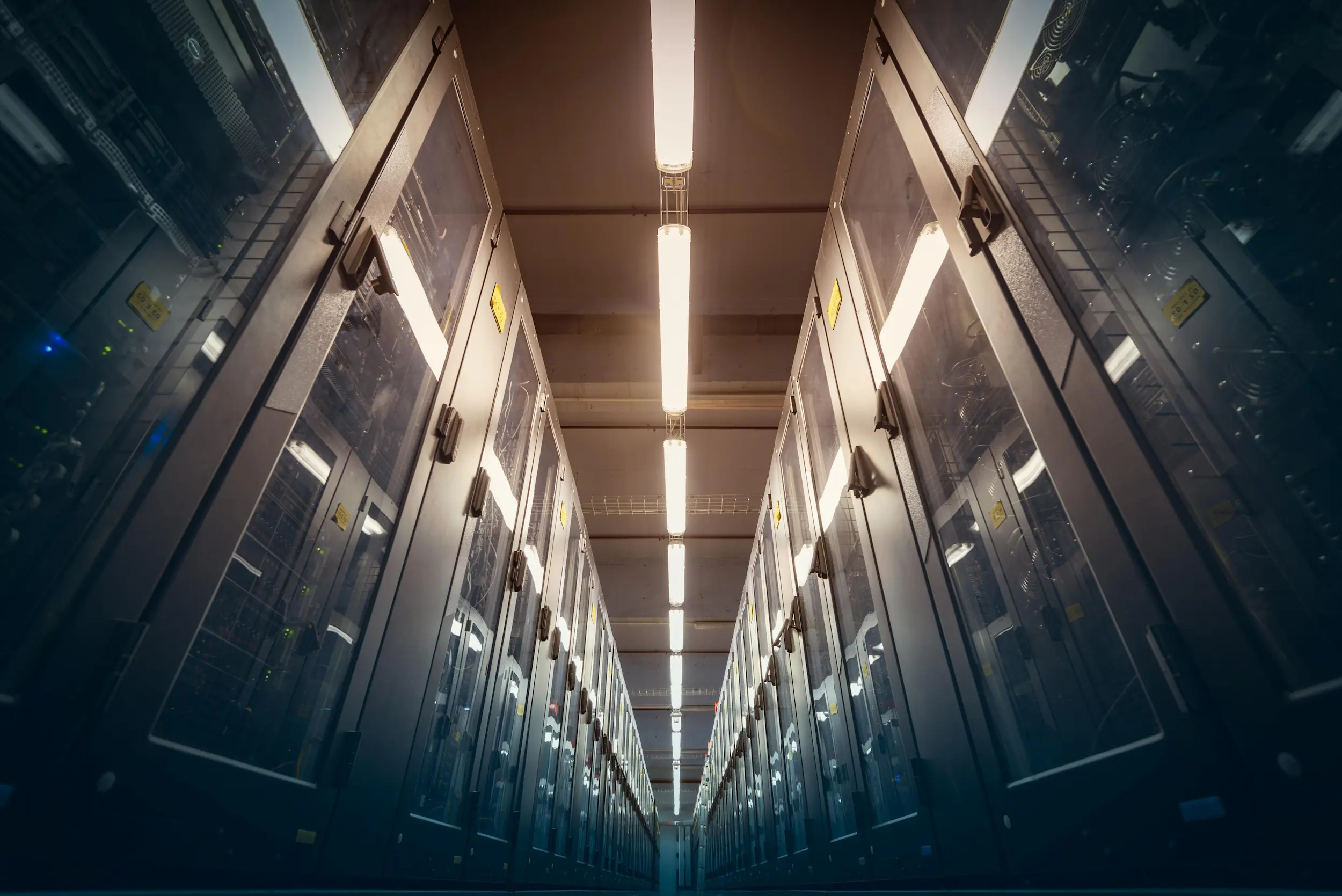
When protecting a building from fire, putting the fire out is naturally one of the biggest priorities. However, in environments containing sensitive or high-value equipment, the method used to suppress that fire also needs careful consideration.
Traditional fire suppression methods involving water may not be appropriate for every environment. In computer rooms, server rooms and other spaces containing valuable IT infrastructure, water can potentially cause further damage to the very equipment you are trying to protect.
The alternative solution? Gas suppression systems. These specialist systems are designed to extinguish a fire without damaging sensitive equipment or leaving harmful residues behind.
At Magni Fire, we provide gas suppression systems designed for high-value environments where reliable fire protection and business continuity are particularly important.
How Does a Gas Suppression System Work?
Instead of relying on water to suppress a fire, a gas suppression system releases a specialist agent into the protected area.
Different types of gas can achieve this in different ways. Magni Fire's systems can use clean agents such as FM-200 or inert gases to effectively suppress a fire without leaving behind harmful residues.
Chemical and synthetic gases remove the heat component of the fire triangle. Chemical agents such as FM-200 achieve this through chemical reactions, allowing the fire to be suppressed without relying on water. Inert gases, on the other hand, suppress a fire by reducing oxygen levels.
The appropriate approach will depend on the requirements of the environment being protected, which is why the design of a gas suppression system needs to take the individual space and its risks into consideration.
Why Are Gas Suppression Systems Used Around Sensitive Equipment?
One of the major benefits of gas suppression is the ability to protect areas containing equipment that could be damaged by traditional water-based methods.
For many businesses, computer systems and servers are essential to everyday operations. A fire within one of these environments could result in damaged equipment and considerable disruption to the organisation.
But, extinguishing fire with water could potentially cause further damage.
Gas suppression provides a way to tackle the fire while protecting sensitive infrastructure. The clean agents used by Magni Fire are designed to extinguish fires without damaging equipment or leaving harmful residues behind.
This makes the technology particularly relevant in environments where protecting equipment and reducing potential downtime are both important parts of the overall fire protection strategy.
Where Are Gas Suppression Systems Used?
Magni Fire's gas suppression systems are well-suited to high-value computer and server rooms.
These environments can contain critical IT infrastructure that supports the wider operation of a business. Protecting these spaces involves more than just considering the immediate fire risk, as the potential consequences of losing essential equipment also need to be taken into account.
Data centres are another example of an environment where gas suppression may be appropriate. Large quantities of valuable electronic equipment can make a suppression method that does not rely on water particularly beneficial.
More broadly, gas suppression can be considered for other high-value environments containing sensitive equipment where conventional suppression methods could potentially cause additional damage.
The right system should always be selected according to the specific requirements of the premises rather than assuming that gas suppression is necessary for every commercial building.
How Is a Potential Fire Detected?
Effective suppression depends on effective detection.
Magni Fire's fire detection systems for high-risk areas such as data centres and server rooms use advanced smoke and heat sensors to identify potential fires at an early stage.
For environments where particularly early warning is required, Aspirating Smoke Detection (ASD) can also be considered.
High Sensitivity Smoke Detection (HSSD) aspiration systems can provide early warning, allowing a potential fire to be investigated before unnecessary gas discharge takes place.
This relationship between detection and suppression is key, as the objective is not simply to release the suppression agent whenever an alarm occurs. The system needs to determine whether the conditions for discharge have actually been met.
Will the Gas Discharge After One Alarm?
One common concern with gas suppression systems is whether an accidental or false alarm could result in the gas being released immediately.
In a total flood system, the detection and activation process will typically use coincidence operation, which is also known as a double-knock system.
When the first detector identifies a potential fire, the system enters its first-stage alarm. This creates an opportunity for the cause of the activation to be investigated.
At this point, the system can be reset if appropriate, or it will remain at the first stage while conditions are monitored.
Gas discharge does not begin simply because this first detector has activated. A second detector must also identify the fire.
Once the second detector has been triggered, the system enters its second-stage alarm and begins a countdown towards gas discharge.
This staged approach provides an important safeguard within the overall suppression process, while ensuring the system can respond when a fire has been identified.
What Happens If Someone Is Inside the Protected Room?
When designing and operating any gas suppression system, building occupants also need to be considered.
The system's control panel features a key-operated switch that allows the user to select between manual and automatic modes.
Before someone enters a room protected by a gaseous suppression system, the system should be switched to manual mode. This prevents it from progressing to the second stage while the person is inside if a fire is detected.
Discharge hold-off buttons are also installed within the protected area. These allow the discharge countdown to be paused and reset while the reason for an alarm is investigated.
These control measures form an important part of how the system operates and demonstrate why specialist design and installation are essential.
Gas Suppression as Part of a Wider Fire Protection Strategy
A gas suppression system should be part of a wider fire protection system, not used in isolation.
Detection, alarms and suppression need to work together to provide appropriate protection for the individual environment. Depending on the premises, this could include a combination of fire alarm systems, smoke and heat detection, ASD and gas suppression.
Risk assessments and insurance requirements can also make it essential for suitable fire detection and control measures to be in place.
This is why understanding the specific risks within the room or building should always come before choosing the technology.
A server room and a general office, for example, contain very different equipment and can require different approaches to fire protection.
Protecting High-Value Environments with Magni Fire
Choosing the right fire suppression system requires an understanding of both the fire risks within an environment and the equipment that needs to be protected.
For server rooms, data centres and other high-value environments, gas suppression can provide an effective solution without relying on water or leaving harmful residues behind.
At Magni Fire, we design gas suppression systems around the individual requirements of the premises. With more than 30 years of industry experience, our team can help determine the appropriate combination of detection and suppression technology for your environment.
If you need to protect sensitive IT infrastructure or would like to discuss whether gas suppression is appropriate for your premises, contact the Magni Fire team today.
related news
Your Fire Detection and Fire Protection Specialists. Contact Us.
Customer testimonials

yearly basis, due to the outstanding service they provide us with. They provide quotes for any remedial works along with the attendance report if not on the same day, then always next, and this allows us to quote our client quickly and turnaround any remedial works within our 2-week deadline. They are available 24/7 and have never missed a call out of hours and have always attended the same night if needed. Gary, Ross and the team run a fantastic company, totally dedicated to the needs of its customers and I would not hesitate to recommend them to an individual customer looking for fire support or a company seeking a fire system’s to assist with their maintenance customers.”