
Understanding Fire Extinguisher Servicing
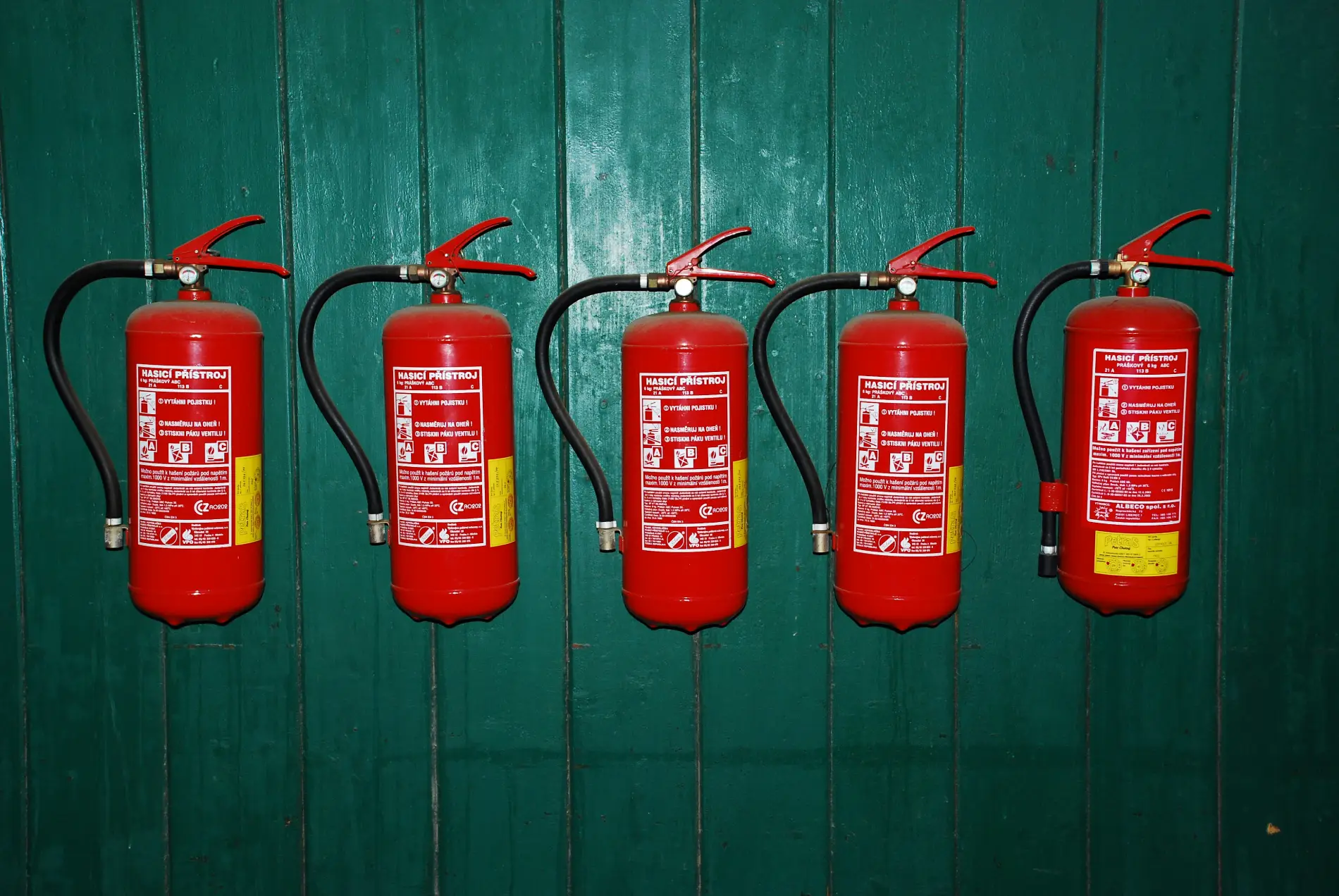
Fire extinguishers are the most recognisable form of manual fire fighting equipment in any commercial property. They give the staff the ability to tackle a small fire in its early stages, potentially preventing a minor incident from escalating into a catastrophic event. The service requirements for fire extinguishers are very often misunderstood.
Maintenance isn’t just about checking a gauge; it is a thorough, legally required process that guarantees the extinguishers will function correctly when a fire emergency arises. For the responsible person, ensuring the reliability of fire extinguishers is a non-negotiable part of the overall fire safety strategy.
This ensures legal compliance and, fundamentally, protects people and property.
The Legal Necessity for Inspection
Extinguishers aren’t like some fire safety systems, which might only require testing under certain conditions. They need continuous, systematic professional maintenance. This requirement is driven directly by UK fire safety legislation and established British Standards.
The Role of the Responsible Person
The primary legislation governing fire safety in non-domestic premises, the Regulatory Reform (Fire Safety) Order 2005, places the legal obligation on the Responsible Person to ensure that all fire fighting equipment is maintained by a competent person.
Competency here means having the necessary training and certification to perform the specific tasks required under the relevant British Standard. Failure to meet this duty leaves the Responsible Person and the business exposed to severe legal penalties and invalidated insurance.
Just as complex systems like risers require specialised care, which we detail in Risers and Fire Safety: What Commercial Properties Need to Know, manual equipment requires equally precise attention.
The British Standard Requirements
Fire extinguisher servicing procedures are strictly defined by British Standard BS 5306 Part 3. This shows the specific frequency and type of fire extinguisher inspection required in order to maintain the certification.
Relying on small in-house checks like the monthly visuals will be insufficient. The standard mandates scheduled professional services in order to verify the internal condition, pressure and operational mechanism of every unit in the building. This independent verification by a certified technician provides the formal proof required for compliance.
Two Tiers of Extinguisher Maintenance
A fire extinguisher service is generally divided into two main categories, the first one being the routine professional inspection, (basic annual service). The other one being the extended service (which includes pressure testing). Both of these are essential for ensuring the long term reliability and life span of the equipment.
Basic Annual Service (The Essential Check)
The annual service is the most frequent form of professional fire extinguisher maintenance. It involves a detailed visual and mechanical inspection of the extinguisher unit. The engineer checks several critical elements: the pressure gauge is verified for accuracy, pins, safety clips, and tamper seals are examined for integrity, and the body of the extinguisher is checked for damage, corrosion, or leaks.
For stored pressure types, a weight check is performed to confirm the extinguishing medium (water, foam, or powder) is still present in the correct amount. Once completed, the extinguisher is tagged, signed, and the service record is updated, providing a clear audit trail.
Extended Service (The Deep Dive)
The extended service, also known as the discharge or overhaul test, is a more intensive procedure carried out less frequently, typically every five or ten years, depending on the type of extinguishing medium. During the extended service, the extinguisher is completely discharged, dismantled, internally inspected, cleaned, refilled, and subjected to a pressure test.
This test verifies the structural integrity of the cylinder itself, which may degrade over time due to corrosion or stress. After the overhaul, the extinguisher is recharged, certified, and given a new operational lifespan. The lifespan and maintenance requirements of the equipment are fundamental elements considered when a business is Designing Your Commercial Fire Alarm System, as the entire safety strategy must be integrated.
The Cost of Non-Compliance and Faulty Equipment
Neglecting the required servicing intervals represents a significant financial and safety liability for any business. If you do not maintain your fire extinguishers they will be a ticking time bomb of unreliability.
A seized valve, a pressure leak or a blocked nozzle will render the unit useless precisely when it is needed. This failure can jeopardise the safety of staff trying to use the equipment and will allow any fire to grow.
The documentation provided by routine servicing protects the company from regulatory penalties. In the event of a regulatory inspection, clear service records will demonstrate that the responsible person has fulfilled their legal obligations.
If you are missing any maintenance records this will expose the business to fines and potential prohibition notices. Investing in service ensures that the life saving capability of the equipment is guaranteed and the legal standing of the business is secure.
Partnering with Magni Fire for Complete Fire Safety
Understanding fire extinguisher servicing is about more than just dates on a calendar, it is about guaranteeing functionality under extreme stress. As fire safety experts, Magni Fire provides certified maintenance services that cover all types of portable fire fighting equipment.
Our BAFE certified technicians ensure that every extinguisher on your premises is compliant with BS 5306, correctly placed for its fire class, and ready for immediate use.
We ensure your audit trail is impeccable and your equipment is reliable. Partner with Magni Fire to achieve complete peace of mind regarding your fire safety assets.
If you would like to discuss anything raised within this article, please don’t hesitate to contact us.
related news



Your Fire Detection and Fire Protection Specialists. Contact Us.
Customer testimonials

yearly basis, due to the outstanding service they provide us with. They provide quotes for any remedial works along with the attendance report if not on the same day, then always next, and this allows us to quote our client quickly and turnaround any remedial works within our 2-week deadline. They are available 24/7 and have never missed a call out of hours and have always attended the same night if needed. Gary, Ross and the team run a fantastic company, totally dedicated to the needs of its customers and I would not hesitate to recommend them to an individual customer looking for fire support or a company seeking a fire system’s to assist with their maintenance customers.”