
How to Choose the Right Fire Extinguisher for Different Office Zones
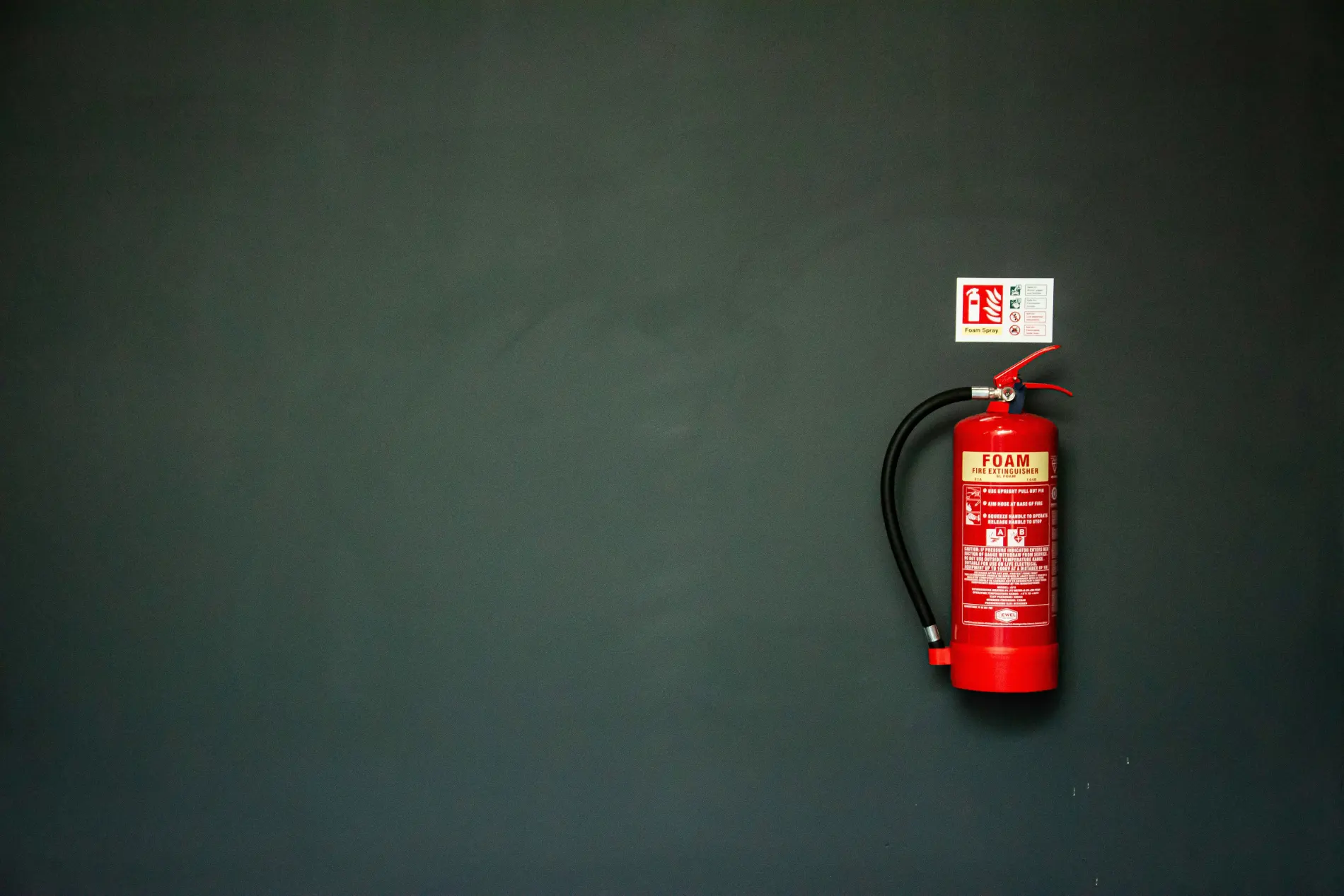
Fire safety in the modern workplace cannot be treated as a universal solution. Many building owners mistakenly believe that installing standard water extinguishers at every exit is sufficient. However, different office environments contain a variety of hazards.
Electrical risks to flammable materials, your protection needs to be tailored to all the risks within the office. Achieving fire safety depends on selecting the correct fire extinguisher types for your office.
Initial selection is only half the battle; legal standards require a schedule of rigorous fire extinguisher maintenance to ensure total reliability during a fire event. Magni Fire provides specialist expertise needed to assess zonal risks, keeping your operations compliant and your team safe.
Zone 1: The General Office and Admin Areas
The main open-plan office typically contains "Class A" risks, which involve combustible solids such as paper, cardboard, and wood.
Recommended Extinguishers: Water or Foam
Within these office sectors, foam and water are the conventional types of extinguishers to help resolve any fires. Foam is often preferred because it is lighter and can also tackle small flammable liquid spills (Class B).
Because offices are filled with computers, it is vital to ensure that these extinguishers are handled with care around live equipment. Regular fire extinguisher maintenance is essential here to ensure that pressure gauges are accurate and seals remain intact.
Zone 2: Technical Hubs and Server Rooms
The technical heart of your business requires a specialised approach. Using water or foam on expensive servers will cause as much damage as the fire itself.
Recommended Extinguisher: CO2 (Carbon Dioxide)
CO2 is the essential choice for electrical risks. It is non-conductive and leaves no messy residue, meaning your hardware may still be salvageable after a discharge.
When considering the fire detection technology for these rooms, Magni Fire often recommends aspirating smoke detection alongside CO2 provision. As discussed in our guide on Is Aspirating Smoke Detection Right for Your Building, early detection in server rooms is critical for business continuity.
Zone 3: Kitchenettes and Breakrooms
Office kitchens introduce unique hazards, particularly if they contain hobs, microwaves, or high-powered toasters.
Recommended Extinguishers: Wet Chemical or Fire Blankets
A wet chemical extinguisher is the only legally compliant choice for fires involving fats and oils (Class F), because standard extinguishing can cause catastrophic flare-ups. Fire blankets can provide a secondary layer of protection, offering a simple yet effective way to smother localised flames. Grease and heat can degrade equipment over time; ensuring these items undergo annual fire extinguisher maintenance is essential for maintaining your office's safety standards.
Expert Zonal Planning with Magni Fire
Given the sophisticated layout of many modern workplaces, extinguisher placement cannot be left to chance. Ensuring you have the right fire extinguisher type for different parts of your office is vital.
Magni Fire provides comprehensive site surveys to ensure your equipment is correctly specified, positioned, and maintained. Our approach to fire safety goes beyond simple installation; we look at the structural integrity and fire-stopping measures of your building to provide a complete safety net. This holistic view is similar to the technical precision required for structural protection, which we explore in our piece on Passive Fire Stopping in Construction.
The Magni Fire team is ready to help you audit your office zones and ensure you are fully compliant with current UK fire safety legislation. If you have any questions, please do not hesitate to get in touch.
related news

Your Fire Detection and Fire Protection Specialists. Contact Us.
Customer testimonials

yearly basis, due to the outstanding service they provide us with. They provide quotes for any remedial works along with the attendance report if not on the same day, then always next, and this allows us to quote our client quickly and turnaround any remedial works within our 2-week deadline. They are available 24/7 and have never missed a call out of hours and have always attended the same night if needed. Gary, Ross and the team run a fantastic company, totally dedicated to the needs of its customers and I would not hesitate to recommend them to an individual customer looking for fire support or a company seeking a fire system’s to assist with their maintenance customers.”