
How Does Passive Fire Stopping Help Protect a Building?

When you think of fire protection, fire alarms and extinguishers tend to spring immediately to mind. These are essential parts of a wider fire safety strategy, but some of the most important protection is built directly into the structure itself.
Passive fire stopping is designed to help restrict the spread of fire, smoke and heat through a building. By protecting openings and penetrations within fire-resistant walls and floors, effective fire stopping helps maintain compartmentation and gives occupants more time to evacuate safely.
Unlike an alarm, passive fire protection does not need to be activated when a fire occurs. It’s already part of the building and is designed to perform when required.
At Magni Fire, our passive fire stopping services help protect buildings by ensuring gaps, joints and service penetrations do not compromise their fire-resistant construction.
What Is Passive Fire Stopping?
Buildings tend to be divided into fire-resistant sections, or compartments. This compartmentation is designed to help contain fire and smoke within a particular area, rather than allowing them to spread freely throughout the property.
For this protection to remain effective, the walls and floors separating these areas need to maintain their fire resistance.
The challenge is that commercial buildings require cables, pipes, ventilation systems and other services to pass through walls and floors. Every penetration creates an opening which, if left inadequately protected, could provide a route for fire and smoke to move from one compartment into another.
Passive fire stopping involves sealing these openings with appropriate fire-resistant materials and systems. We use specialist products including fire-resistant sealants, collars and barriers to help restore the fire resistance of these areas and maintain the building's compartmentation.
Why Is Compartmentation So Important?
A fire can become significantly more dangerous when it is able to spread into other areas of the building.
Compartmentation is designed to slow that progression. By splitting the building into fire-resistant sections, it helps stop the spread of fire and smoke within a defined area for a specified period. This can provide valuable additional time for occupants to safely leave the building, and limit the extent to which other areas of the premises are exposed to fire.
Passive fire stopping is fundamental to maintaining this protection.
A fire-resistant wall may appear completely intact, but its performance can be compromised if there is an unsealed opening around a pipe or cable. Effective fire stopping addresses these vulnerable areas so the compartment can continue to provide the protection it was designed to offer.
Where Is Passive Fire Stopping Required?
Service penetrations are found throughout modern commercial buildings.
Electrical cables may need to run between rooms and floors, pipework can pass through walls and ventilation systems can extend across multiple areas. Gaps and joints can also be created as part of the construction or ongoing alteration of a property.
It’s these areas that need to be considered carefully wherever they pass through fire-resistant construction.
Magni Fire's passive fire stopping solutions are designed to seal penetrations, joints and gaps using materials suited to the particular application.
The objective is not simply to fill a visible hole. The fire stopping system needs to maintain the integrity of the fire-resistant wall or floor around it.
Different openings and building services can require different fire stopping solutions, which is why appropriate materials and professional installation are important.
How Can Building Alterations Affect Fire Stopping?
Buildings can change considerably after their construction, which is one of the most challenging parts of passive fire protection.
New electrical systems may be installed, pipework might be altered or additional data cabling could be routed through existing walls. If these works pass through a fire-resistant wall or floor without the correct reinstatement, they can compromise existing compartmentation.
Small openings may not look particularly significant during everyday use of the building, but during a fire they could create a pathway between areas that were designed to remain separated.
For building owners and facilities managers, this means passive fire stopping should be considered whenever work affects fire-resistant construction.
Fire protection is not something that can simply be completed when a property is built and then ignored. As the building changes, its passive protection needs to remain intact.
How Does Passive Fire Stopping Work Alongside Fire Alarms?
Passive and active fire protection perform different roles, but they are most effective working together as parts of a wider fire safety strategy.
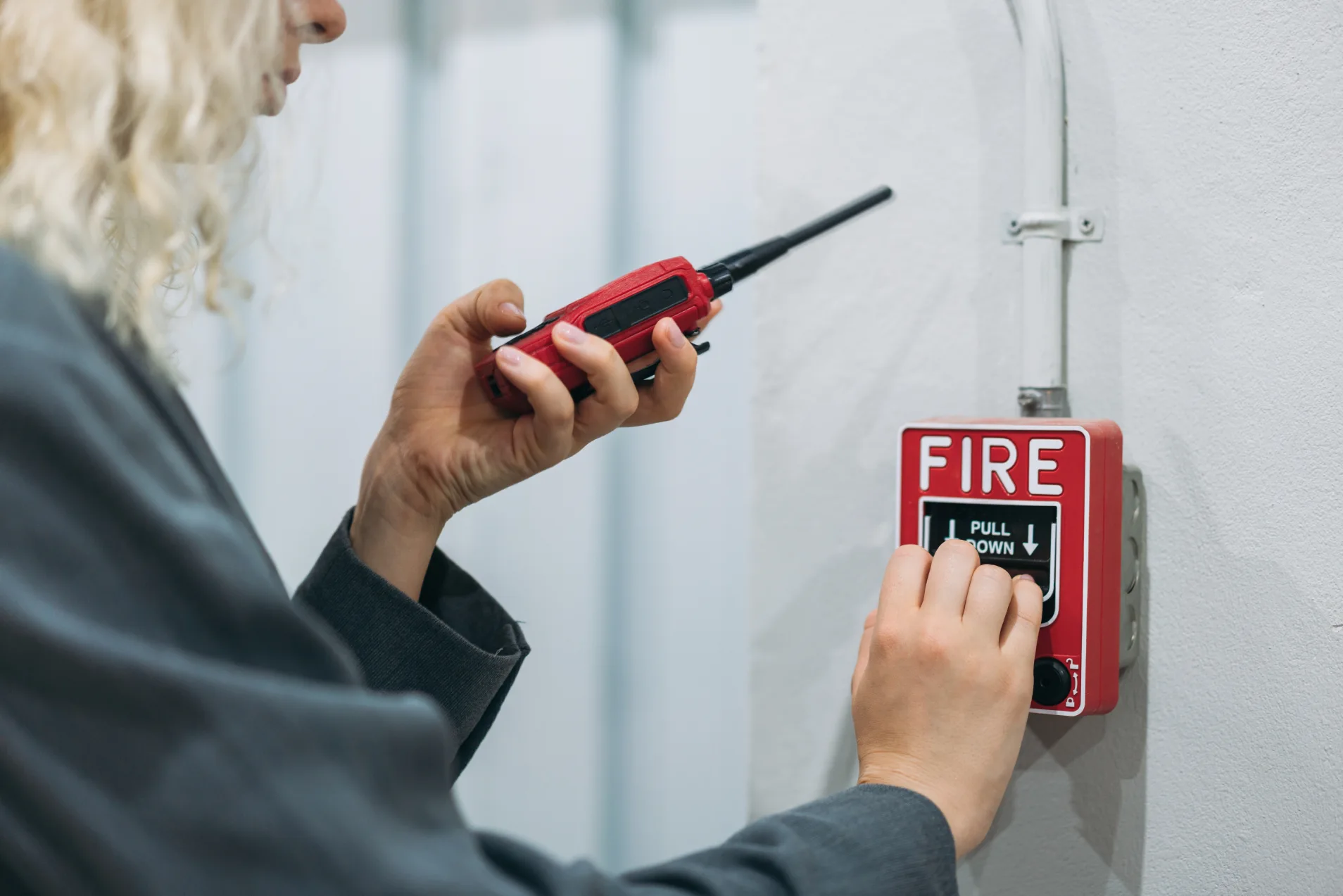
A fire alarm system is an example of active fire protection. Detectors identify signs of a potential fire and the alarm alerts occupants so that evacuation can begin.
Passive fire stopping does not detect the fire or sound an alarm. Instead, it helps limit the movement of fire and smoke through the structure.
In an emergency, these measures work towards the same overall objective from different directions. Early detection and warning help people respond to the danger, while effective compartmentation can help slow the spread of the fire through the premises.
Clear fire safety signage also contributes to this wider strategy by helping occupants identify escape routes and safety equipment when they need them.
Considering these systems together helps create a more complete approach to protecting both people and property.
Why Professional Installation Matters
Passive fire stopping must do more than simply cover an opening. The materials used must be appropriate for the particular penetration, and installed correctly if they are to provide the required fire resistance.
Our approach begins with assessing the building and identifying areas where fire stopping is required. We then use appropriate fire-resistant products to seal vulnerable openings and help maintain the integrity of the building's fire compartments.
Our passive fire stopping services can be used in both new construction and existing buildings, helping ensure that structural fire protection is considered whether a property is being built, refurbished or reviewed.
Professional assessment can also help identify areas where existing fire stopping may have been compromised by later works.
Maintaining Fire Protection Over Time
After passive fire stopping has been installed, it’s important to ensure that its integrity isn’t compromised.
Commercial premises are constantly changing. Contractors may install new services, businesses may alter rooms and maintenance work can require access through existing walls or floors.
This makes awareness particularly important. Any work affecting a fire-resistant compartment should take the existing fire stopping into account and ensure suitable protection is reinstated where required.
The same principle applies across other areas of fire protection. Regular fire alarm maintenance, appropriate safety signage and properly maintained passive protection all contribute to keeping a building's overall fire safety measures effective.
Protect Your Building with Magni Fire
Passive fire stopping may largely remain out of sight during the normal operation of a building, but its role in fire protection is extremely important.
By sealing penetrations, gaps and joints within fire-resistant walls and floors, it helps maintain compartmentation and restrict the spread of fire and smoke. When combined with effective detection, alarms and evacuation measures, it forms an essential part of a building's wider fire protection strategy.
Magni Fire provides passive fire stopping solutions for both new and existing buildings, using specialist fire-resistant materials and systems to protect vulnerable areas.
If you are reviewing the passive fire protection within your building, or require fire stopping as part of a construction or refurbishment project, contact the Magni Fire team to discuss your requirements.
related news

Your Fire Detection and Fire Protection Specialists. Contact Us.
Customer testimonials

yearly basis, due to the outstanding service they provide us with. They provide quotes for any remedial works along with the attendance report if not on the same day, then always next, and this allows us to quote our client quickly and turnaround any remedial works within our 2-week deadline. They are available 24/7 and have never missed a call out of hours and have always attended the same night if needed. Gary, Ross and the team run a fantastic company, totally dedicated to the needs of its customers and I would not hesitate to recommend them to an individual customer looking for fire support or a company seeking a fire system’s to assist with their maintenance customers.”