
Flame Detection vs. Smoke Detection: Which Does Your Building Need?
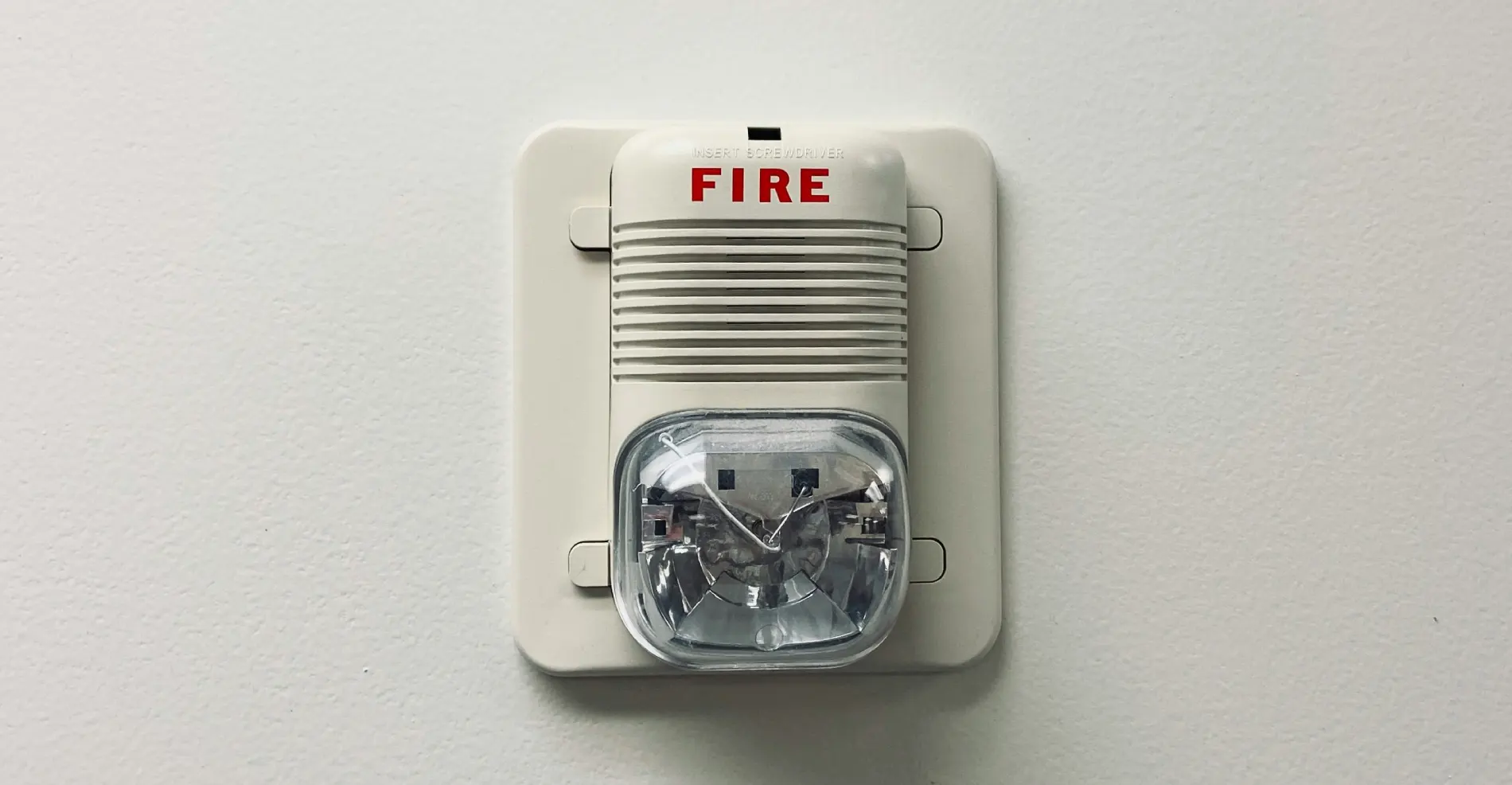
Developing an effective fire protection strategy requires a deep understanding of the risks present within a commercial or industrial environment.
Some people are familiar with the standard units, making sure you know the technical differences between fire and smoke alarm sensors is vital to ensuring the safety of your staff and anyone else within the building. Selecting the correct technology ensures that your fire safety solutions are optimised for the different types of fires.
Often, people think about the choice of flame detection and smoke detection; both are equally important as each other and can save lives. This decision as to how many you have depends heavily on the materials stored in the building.
Magni Fire provides the expertise needed to navigate these technical choices, ensuring that your property is as safe as it can be, protected by the most effective detection methods available.
The Fundamentals of Smoke Detection
One of the most common forms of early warning in the majority of commercial properties is smoke detection. They are designed to identify the particulate matter produced during the combustion process, often before a flame is visible.
How Smoke Sensors Operate
Standard detection units typically utilise optical or ionisation technology to monitor atmospheric conditions. Optical sensors excel at identifying slow-burning, smouldering fires that generate significant visible smoke. In more challenging environments where high ceilings might dilute smoke concentrations, many building owners choose to implement more advanced smoke detection systems.
As we explore in our guide on Is Aspirating Smoke Detection Right for Your Building, air sampling technology provides a significantly higher level of sensitivity than traditional point detectors.
Ideal Applications for Smoke Detection
This technology is the standard choice for offices and schools where the primary goal is to provide maximum evacuation time.
These sensors deliver the earliest possible notification as smoke typically precedes high-intensity heat. When evaluating the technical difference between fire and smoke alarm features, you must consider that smoke sensors can be triggered incorrectly by dust or steam.
The Power of Flame Detection
Flame detection is a specialised technology used in high-risk environments where fires can develop with extreme speed and intensity, often without producing significant initial smoke.
Identifying Radiant Energy
Flame detectors operate by monitoring radiant energy via optical sensors, rather than waiting for smoke particles to physically reach a detector. By tuning into specific UV or IR light signatures, the system provides immediate notification the moment a flame appears. Such high-speed detection is indispensable in high-risk areas handling flammable liquids, where fire spread can outpace the movement of smoke.
Implementing this technology requires the same technical precision found in other specialised installations, such as those we detail in The Role of Wet and Dry Riser Systems.
Making a Strategic Decision with Magni Fire
Selecting the most effective detection strategy requires a comprehensive risk assessment of your property’s layout and day-to-day operations. Frequently, the most robust protection comes from integrating both technologies, ensuring that slow-burning smouldering fires and high-speed ignitions are caught the moment they begin.
Magni Fire specialises in designing bespoke detection solutions for high complexity commercial and industrial sites. Our technical team guarantees that every sensor is strategically positioned and calibrated to satisfy the specific demands of your industry.
The team is ready to assist you in evaluating your current detection capabilities and upgrading your infrastructure to meet modern safety standards. Ensuring your premises are equipped with the correct technology is the most important step in protecting your assets and your people.
If you have any questions or queries, feel free to contact one of our team will be happy to help.
related news

Your Fire Detection and Fire Protection Specialists. Contact Us.
Customer testimonials

yearly basis, due to the outstanding service they provide us with. They provide quotes for any remedial works along with the attendance report if not on the same day, then always next, and this allows us to quote our client quickly and turnaround any remedial works within our 2-week deadline. They are available 24/7 and have never missed a call out of hours and have always attended the same night if needed. Gary, Ross and the team run a fantastic company, totally dedicated to the needs of its customers and I would not hesitate to recommend them to an individual customer looking for fire support or a company seeking a fire system’s to assist with their maintenance customers.”