
Choosing the Right Fire Alarm System for a Warehouse

From open spaces and high ceilings, to stored goods, machinery and changing layouts, warehouses can present a complex set of challenges for fire safety.
This means that choosing the right fire alarm system for your warehouse shouldn’t simply involve installing the same solution that might be suitable for a smaller commercial property. Your warehouse’s fire alarm system needs to reflect the size, layout and day-to-day use of the building, as well as the specific fire risks present within it.
Early and reliable detection is essential. A well-designed warehouse fire alarm system should provide occupants with clear warning in the event of a fire, helping them to evacuate as quickly and safely as possible.
At Magni Fire, we provide fire alarm systems tailored to the individual requirements of different buildings. Knowing the options available, and the factors that influence their suitability, is an important first step towards choosing the right protection for your warehouse.
Why Warehouses Need a Tailored Approach to Fire Detection
Warehouses aren’t simple spaces. One building might mainly be used for storage, whilst another could combine storage space with offices, loading bays, plant rooms and other operational areas.
Layouts can also change over time. Racking may be moved or extended, the type and quantity of stock being stored can change, and businesses may expand into previously unused areas of the premises.
Each of these factors can impact the fire risks within the building and how effectively a fire can be detected.
The large spaces and high ceilings associated with warehouses also create additional considerations. A detector suitable for one part of the warehouse may not necessarily be the right choice for another, which is why fire alarm design needs to start with an understanding of the building itself, rather than taking a one-size-fits-all approach.
Understanding the Fire Risks Within Your Warehouse
Before selecting your warehouse’s fire alarm technology, knowing what needs to be protected is key.
Different warehouse environments can contain very different materials, equipment and working processes. The nature of the stock being stored is particularly important, as different materials may behave differently if a fire occurs.
You should also consider the daily operation of the building. Machinery, electrical equipment and other operational processes can introduce different risks, while dust or changing environmental conditions may impact the suitability of certain detection methods.
The warehouse’s occupancy must also be considered. Some might have teams working throughout the building, whilst others may contain areas that aren’t often occupied. Whatever the circumstances, the alarm needs to provide an effective warning to anyone on the premises when it is needed.
Understanding these individual factors allows the fire alarm system to be designed around the actual risks of the warehouse rather than relying on a standard solution.
Choosing the Right Type of Fire Detection
A commercial fire alarm system can use a combination of different devices to identify a fire and alert building occupants.
Our fire alarm solutions can incorporate smoke detectors, heat sensors and manual call points, and we choose the most appropriate combination dependent on the building's individual needs.
Smoke detection can provide an important early warning by identifying smoke produced by a developing fire. However, the conditions within a warehouse need to be considered carefully when deciding where and how detection should be installed.
Heat detection may also form part of the overall system in appropriate areas, while manual call points enable someone who discovers a fire to raise the alarm.
Instead of looking at each device in isolation, an effective system considers how the different components work together to provide reliable detection and clear warning throughout the premises.
When Could Aspirating Smoke Detection Be Considered?
Some warehouse environments may require a more specialised approach to early fire detection.
Aspirating Smoke Detection (ASD) continuously samples the air for smoke particles, providing early warning of a potential fire threat.
ASD can be particularly valuable when very early detection is a priority or where the characteristics of a building make conventional detection more challenging.
However, ASD should not automatically be considered the right answer for every warehouse. The suitability of any detection technology depends on the building, its risks and its operational requirements.
We explore the technology in more detail in our blog Is Aspirating Smoke Detection Right for Your Building?.
Wired or Wireless Fire Alarms for Warehouses
Something else to consider is whether a wired or wireless system is better suited to the premises.
Traditional wired fire alarm systems can provide comprehensive protection across commercial properties. However, warehouses with complex layouts or limited access to wiring may benefit from a wireless alternative.
Magni Fire's wireless fire alarm systems provide reliable fire detection without requiring extensive cabling. This can help minimise disruption during installation and gives businesses additional flexibility when devices need to be added or relocated as requirements change.
Flexibility like this can be useful for warehouses that are continuing to grow, or if layouts change regularly.
The decision between wired and wireless should ultimately be based on the individual property rather than simply choosing one technology over another. The building layout, accessibility, existing infrastructure and future requirements should all form part of the decision.
Making Sure the Alarm Can Be Clearly Recognised
Detecting a fire is only part of the job. Once a potential fire has been identified, the building occupants need to be alerted - and fast.
Our fire alarm systems can incorporate audible alarms throughout a building, as well as visual alerts such as strobe lights.
This is particularly important when considering the different conditions that may exist across a large warehouse. The fire alarm design needs to take the working environment into account so that warnings can be effectively communicated to building occupants.
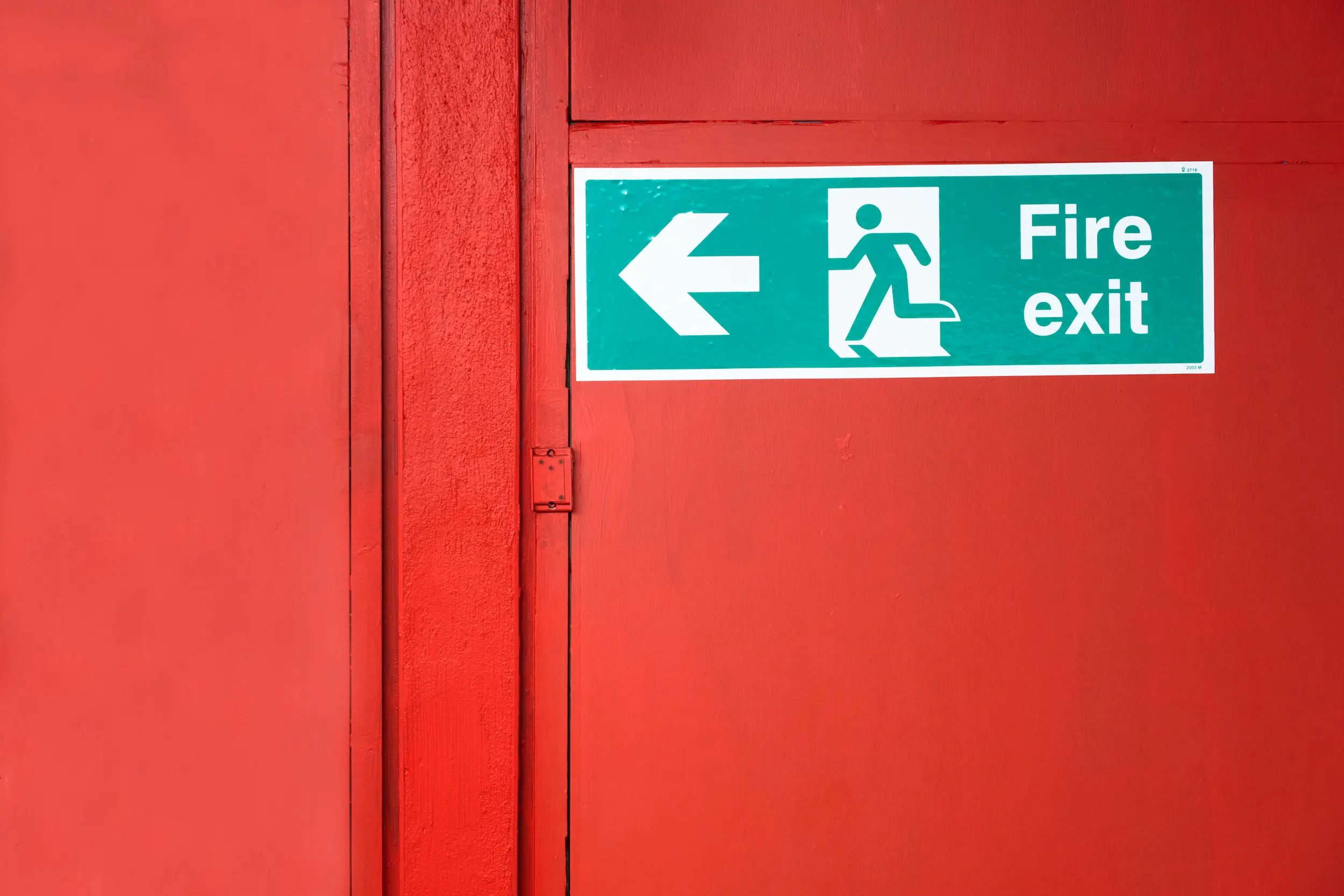
Evacuation is another key element of the wider fire safety strategy. Clear fire safety signage can help occupants identify escape routes and find their way towards safety during an emergency.
Fire detection, warning systems and evacuation measures should therefore be considered as connected parts of the building's overall fire protection strategy.
Consider How Your Warehouse Could Change
Your warehouse’s fire alarm system should not just work for the building as it stands today.
Warehousing businesses can change significantly over time. New racking systems may be introduced, additional areas may be brought into use or the business may begin storing different products. These changes can potentially affect the suitability of existing fire protection measures.
If the location of your fire alarm system is likely to move as your warehouse evolves, a wireless system may be best. These devices can be relocated or added as requirements change, providing flexibility for growing businesses and evolving building layouts.
Whatever type of system is installed, significant changes to the warehouse should prompt consideration of whether the existing fire protection arrangements remain appropriate.
Do Not Overlook Fire Alarm Maintenance
Choosing and installing the right system is only the beginning. A fire alarm needs to remain reliable throughout its working life.
Regular fire alarm maintenance and servicing helps identify potential issues and ensures system components remain operational. Magni Fire's maintenance services include inspections and testing of components such as detectors, alarms and control panels, alongside preventative maintenance and detailed reporting.
Maintenance can also help identify issues that may otherwise contribute to false alarms or system failures.
For a closer look at our servicing process, our guide to What Happens During a Fire Alarm Service? explains the different checks involved.
In busy warehouse environments, where disruption can have a significant impact on operations, maintaining the system proactively is an important part of keeping fire protection reliable.
Protect Your Warehouse with Magni Fire
There is no single fire alarm system that will be right for every warehouse. The most effective solution is one that considers the size and layout of the premises, the materials stored within it, the way the building is used and the specific risks associated with its day-to-day operation.
At Magni Fire, we specialise in designing fire alarm solutions around the requirements of individual commercial premises. With more than 30 years of industry experience and BAFE SP203 certification, our team can help assess your requirements and determine an effective solution for your warehouse.
From wired and wireless fire alarms to specialist detection technology and ongoing maintenance, we can provide support throughout the life of your system.
If you are reviewing an existing warehouse fire alarm or considering a new system, contact the Magni Fire team to discuss your requirements.
related news


Your Fire Detection and Fire Protection Specialists. Contact Us.
Customer testimonials

yearly basis, due to the outstanding service they provide us with. They provide quotes for any remedial works along with the attendance report if not on the same day, then always next, and this allows us to quote our client quickly and turnaround any remedial works within our 2-week deadline. They are available 24/7 and have never missed a call out of hours and have always attended the same night if needed. Gary, Ross and the team run a fantastic company, totally dedicated to the needs of its customers and I would not hesitate to recommend them to an individual customer looking for fire support or a company seeking a fire system’s to assist with their maintenance customers.”